
FoodExpoConnect Blog
SeriesCompliance Deadlines 2026How to Get HACCP Certification for Food Export: Step-by-Step Guide 2026
Have you ever wondered what it takes for a small coffee exporter to thrive in a competitive global market? Picture this: a bustling warehouse filled with the aroma of freshly roasted beans, ready to ship to discerning buyers in Europe who demand high food safety standards. For many exporters, ach...
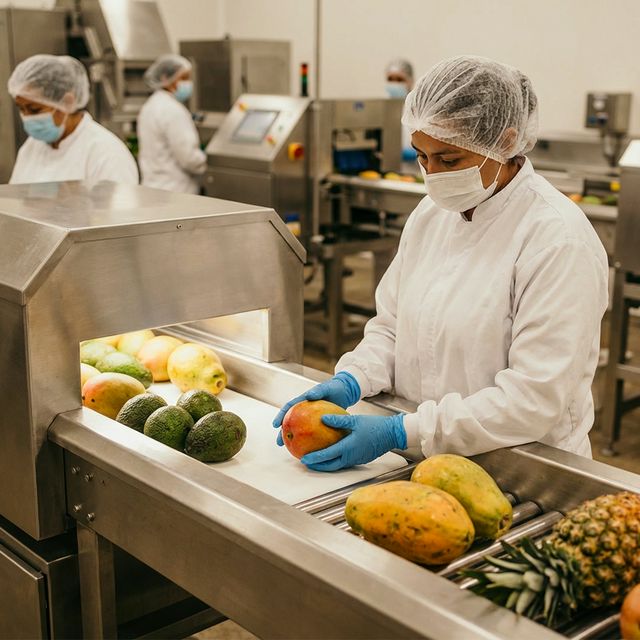
What is How to Get HACCP Certification for Food Export: Step-by-Step Guide 2026?
Navigating the path to HACCP certification can be challenging, especially with evolving global trade policies. If you're managing a food export business, obtaining this certification is crucial for seamless exports.
Export Documentation Checklist
Product-specific documentation checklists for sesame, shea, coffee, cocoa, fresh produce, and processed foods
Navigating the path to HACCP certification can be challenging, especially with evolving global trade policies. If you're managing a food export business, obtaining this certification is crucial for seamless exports. One mistake could lead to costly audit failures or shipping delays. This guide will help you achieve HACCP certification on your first try.
In this 2026 guide, you'll find complete documentation templates for all seven HACCP principles, a step-by-step checklist for audit preparation, and a country-specific export compliance matrix for the top ten food-importing markets. Let's get started!
Step 1: Understand the Seven HACCP Principles
Achieving HACCP certification requires a solid understanding of its seven core principles. Here's a brief rundown:
- Conduct a Hazard Analysis: Identify potential food safety hazards—biological, chemical, and physical.
- Determine Critical Control Points (CCPs): Pinpoint where hazards can be controlled in the process.
- Establish Critical Limits: Define safety thresholds for each CCP.
- Implement Monitoring Procedures: Set up systems to track CCPs within critical limits.
- Establish Corrective Actions: Outline actions to take when a CCP goes out of bounds.
- Establish Verification Procedures: Develop a plan to ensure your HACCP system is effective.
- Record Keeping: Document your HACCP plan, monitoring, and verification activities.
Templates for HACCP Documentation
We've prepared downloadable templates for each principle. Customize them to fit your specific processes and products. Download HACCP Documentation Templates
Step 2: Audit Preparation Checklist
Preparing for an audit doesn't have to be overwhelming. Use this checklist to ensure you're ready:
Facility Requirements
- Confirm your facility meets safety and hygiene standards.
- Maintain equipment to prevent contamination.
- Ensure storage areas comply with temperature controls.
Personnel Requirements
- Train staff on HACCP principles and food safety practices.
- Make sure personnel know their food safety roles and responsibilities.
- Keep training records current.
Record-Keeping Requirements
- Maintain accurate records of hazard analyses, monitoring, and corrective actions.
- Ensure documentation is accessible to auditors.
- Regularly update records to reflect current practices.
Common Audit Failure Points
Avoid these audit pitfalls:
- Incomplete documentation.
- Missing employee training records.
- Unaddressed corrective actions.
Step 3: Country-Specific Export Compliance Matrix
With global regulations constantly changing, understanding country-specific requirements is vital. Here's a compliance matrix for the top ten food-importing markets in 2026:
| Country | HACCP Requirement | Additional Compliance |
|---|---|---|
| USA | FDA Certification | USDC SIP Inspection |
| EU | Health Certificates | Compliance with pesticide MRLs |
| Australia | FDA CFG | Health Certificates for bivalve molluscs |
| China | USDC SIP Export Health Certificates | Approval from Chinese authorities |
| South Korea | HACCP for foreign manufacturers | Additional documentation as required |
| Japan | HACCP Certification | Compliance with local food safety laws |
| Brazil | SIP Certification | Sworn translations of documents |
| Canada | HACCP Certification | Import permits as required |
| UAE | FDA CFG | Compliance with local health regulations |
| Vietnam | HACCP Certification | ISO 17025 lab tests |
Use this matrix to tailor your HACCP plan to meet each market's needs.
Common Questions (FAQ)
Q: What is HACCP certification?
A: HACCP (Hazard Analysis Critical Control Point) certification is a systematic approach to food safety, identifying and managing potential hazards in food production. For more details, visit HACCP Guidance.
Q: Why is HACCP certification important for food exports?
A: Many importing countries require HACCP certification to ensure food safety standards are met, preventing costly rejections and delays.
Q: How long does it take to get HACCP certified?
A: The process typically takes several weeks to a few months, depending on your operation's complexity and readiness.
Q: What happens if I fail the HACCP audit?
A: You'll receive a report detailing deficiencies. You'll need to correct these issues and may undergo a follow-up audit.
Q: Are there costs associated with obtaining HACCP certification?
A: Yes, costs include training, documentation, and audit fees. However, HACCP certification can increase market access and consumer trust. For a comprehensive overview, check out The Ultimate Guide to HACCP Certification.
Conclusion
Securing HACCP certification on your first attempt is entirely achievable with proper preparation and resources. By understanding the seven HACCP principles, preparing thoroughly for audits, and knowing country-specific compliance requirements, you can smoothly navigate the certification process. Investing in this certification not only enhances credibility but opens doors to lucrative export markets. Ready to secure your HACCP certification? Download your templates, follow the checklists, and empower your team to ensure food safety compliance. Your journey to becoming a certified exporter starts now! Download HACCP Documentation Templates Get Your Step-by-Step Audit Checklist Explore more about export regulations and buyer prospecting to enhance your export strategy.
By following this guide, you're on the way to transforming your food export business. Don't let HACCP certification complexities hold you back. Embrace the challenge and watch your exports flourish!
Frequently asked questions
What is HACCP certification?
Why is HACCP certification important for food exports?
How long does it take to get HACCP certified?
What happens if I fail the HACCP audit?
Are there costs associated with obtaining HACCP certification?
Quick facts
Published: 2/18/2026
Reading time: 6 min
Written by

Jean Marc Koffi
Co-authorJournalist & Export SpecialistLondon
Jean Marc Koffi is an MBA-trained trade specialist who connects African exporters to global buyers, with over $20M in contracts facilitated and expertise recognized by major trade organizations. Noted for rapid buyer network building, he is an experienced speaker and certified in trade facilitation, origin rules, and food safety.

Alocha Massamba
Co-authorFounder, Epifresh & FoodExpoConnectLondon
Alocha Massamba is the founder of Epifresh and FoodExpoConnect. He builds the technology, data and partnerships that connect African food producers and exporters to international buyers — with a focus on fresh-produce supply chains, cold-chain logistics, and the buyer-discovery platforms small and mid-size exporters need to compete with global incumbents.
Series
More in Compliance Deadlines 2026
EUDR Compliance 2026: What the Deforestation Regulation Means for Food Exporters (Deadline + Checklist)
The EU Deforestation Regulation enforcement deadline is December 2026. A May 2026 simplification package cut compliance costs by 75%. Here's what coffee, cocoa, palm oil, and soy exporters need to do now.
EU Organic Certification vs USDA Organic: Which One Do You Need for Export?
Compare EU Organic and USDA Organic certification standards across produce, grains, dairy, meat, and processed foods to choose the right certification for your export markets.

How to Export Organic Products: Certification, Markets & Pricing Premium Guide 2026
Learn how to obtain organic certification, identify lucrative export markets, and implement premium pricing strategies to boost your organic product revenue by 15-30% in 2026.
Explore more export intelligence
Certification • Pricing Strategy • Market Access
5 Certifications Worth More Than a Price Cut in 2026
Stop competing on price. Organic, Fair Trade, Rainforest Alliance, B Corp, and SQF certifications can command 20-300% price premiums for African food exporters in 2026. Here is the ROI data for each.
Coffee Export • Market Access • EU Regulations
Coffee Export 2026: African Origins, Fair Trade Pricing & EU Market Access
Complete guide to coffee export from Ethiopia, Kenya and Rwanda — EUDR compliance, fair trade pricing, certification requirements, and how to access €12-18/kg EU buyer contracts in 2026.
Market Access • Africa Trade • Export Strategy
China Zero-Tariff Policy for African Food Exporters: Coffee Imports Surge 145.7% — How to Enter the World's Largest Market Duty-Free
China's zero-tariff policy covering 53 African countries is already producing dramatic results — coffee imports surged 145.7% in the first five months. How food exporters can access this duty-free window and bypass traditional tariff barriers.