Market Research for Food Exports
Essential market research strategies for food exporters looking to identify and enter new international markets. Find buyer insights, demand data, and competitive analysis.
FoodExpoConnect · Export Intelligence
Practical guides, market briefings, and buyer playbooks for food exporters who want better buyers, lower trade friction, and stronger export margins.
Explore export guides by topic, trade issue, or market challenge.
Essential market research strategies for food exporters looking to identify and enter new international markets. Find buyer insights, demand data, and competitive analysis.
Maximize your ROI from food trade shows. Strategic preparation guide for food exporters including pre-show planning, booth strategy, and post-show follow-up systems.
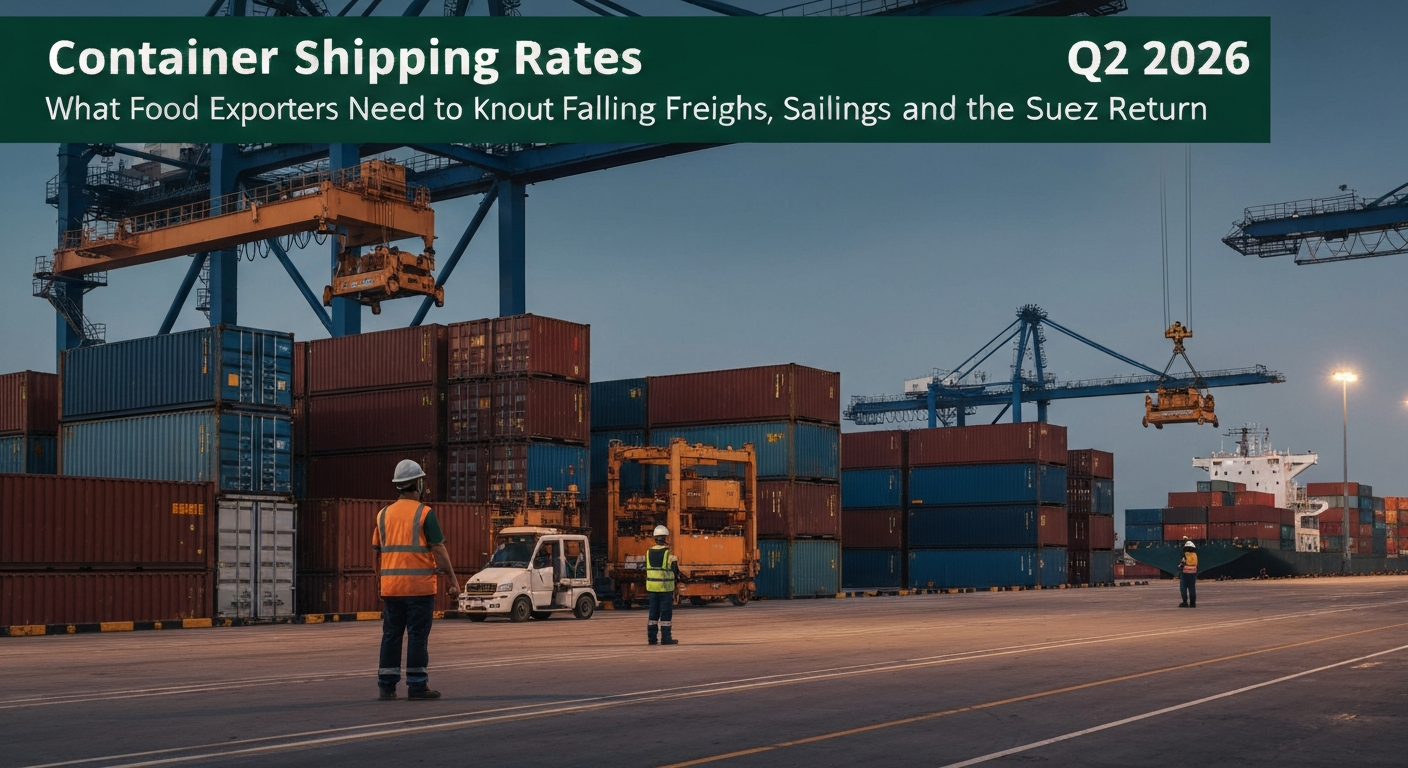
Container rates have dropped 70% from pandemic peaks, Suez transits are resuming, and fleet overcapacity is 3-5%. But the rate bottom may be short-lived. Here's how food exporters should position their logistics strategy for Q2-Q3 2026.
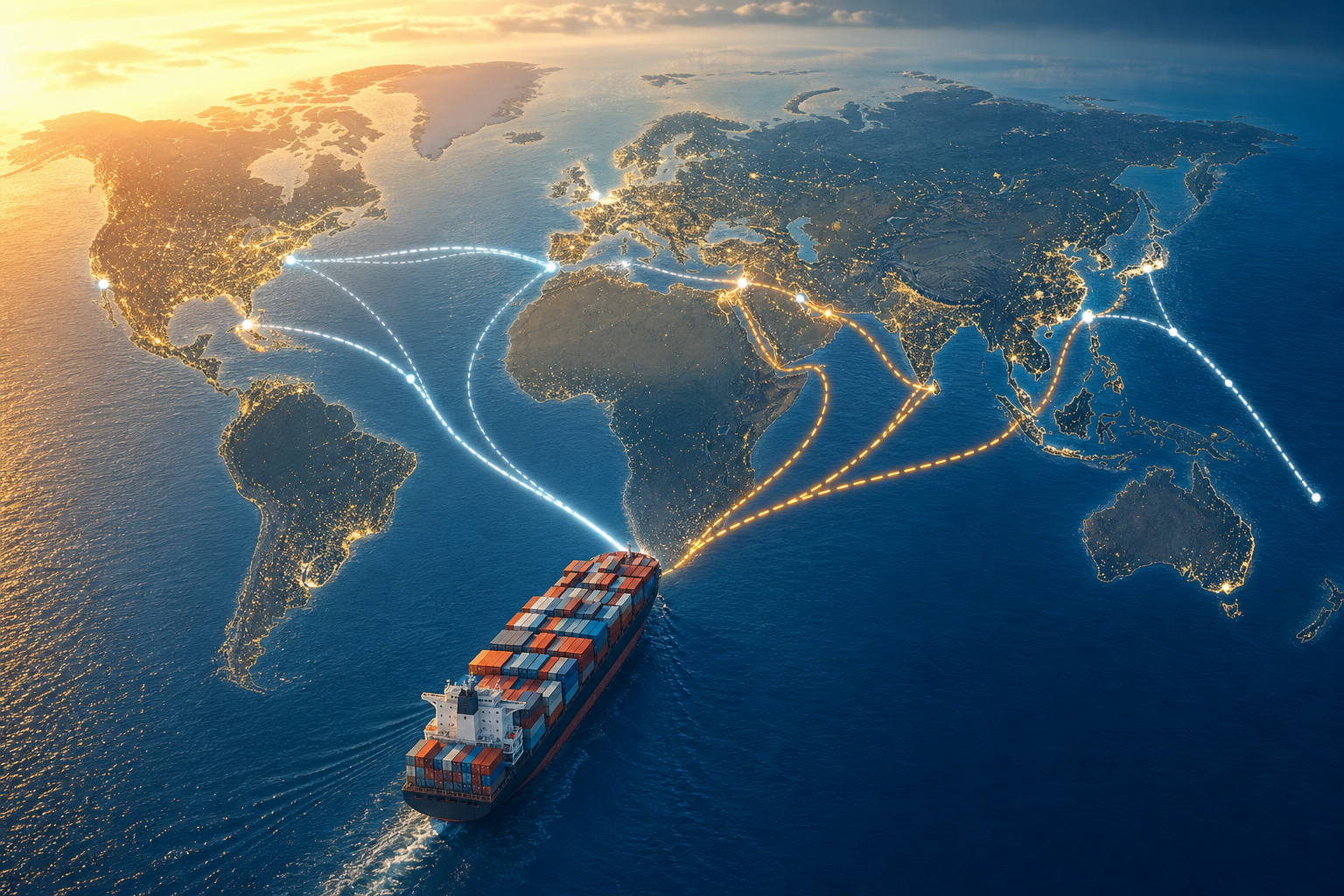
A tale of two shipping markets: transpacific rates have collapsed 70% from their 2022 peak while Asia-Europe spot rates surge 40% on Iran disruption. Here's what it means for food exporters and how to route around the volatility.
The Trump-Xi Beijing summit produced a commitment for China to buy 25 million metric tons of US soybeans annually through 2028 — and 'double-digit billions' in broader agricultural purchases. Here's what the reconfigured US-China food corridor means for exporters in Africa and Latin America.
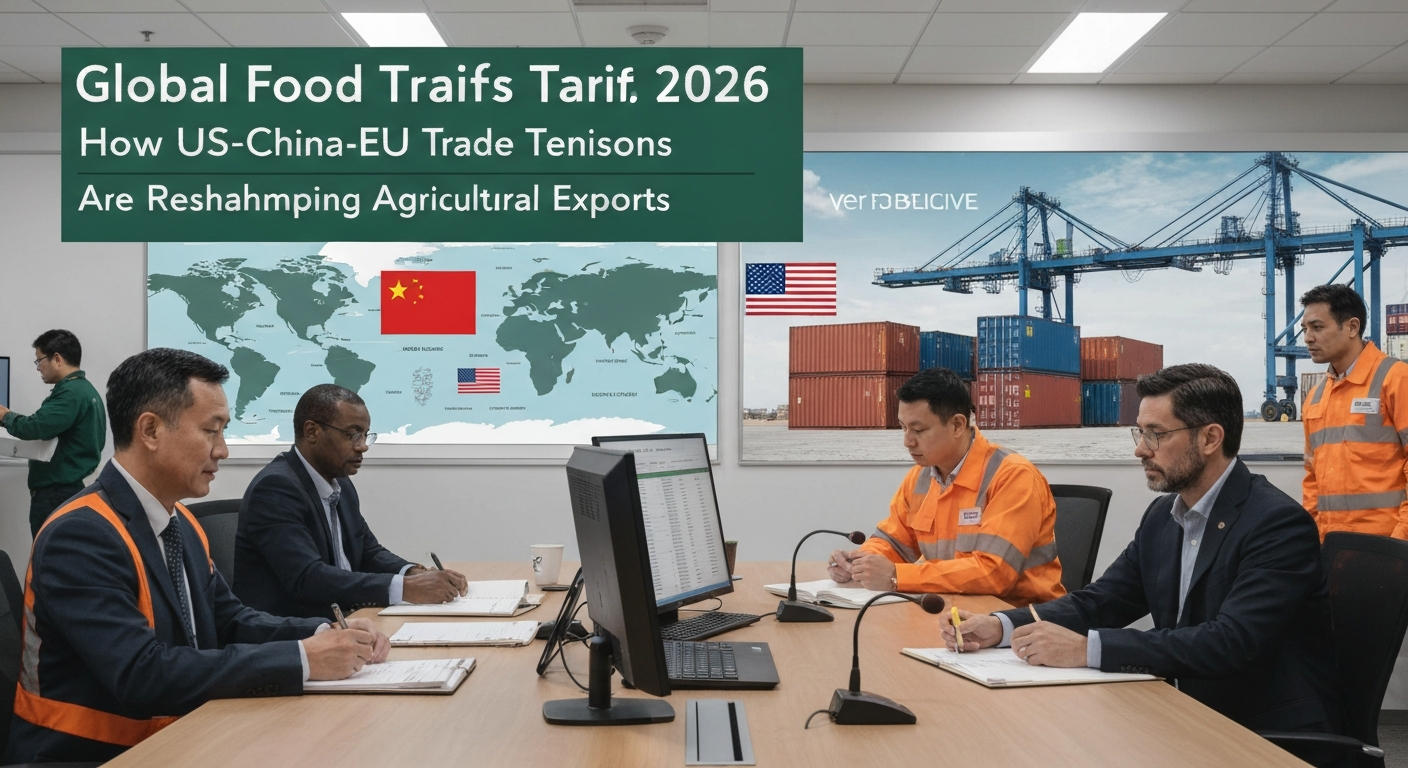
The May 2026 Trump-Xi tariff reduction framework covering $30 billion in bilateral trade is reshaping global food export flows. African and Latin American exporters stand to gain as US soybeans and beef face continued uncertainty in Chinese markets.
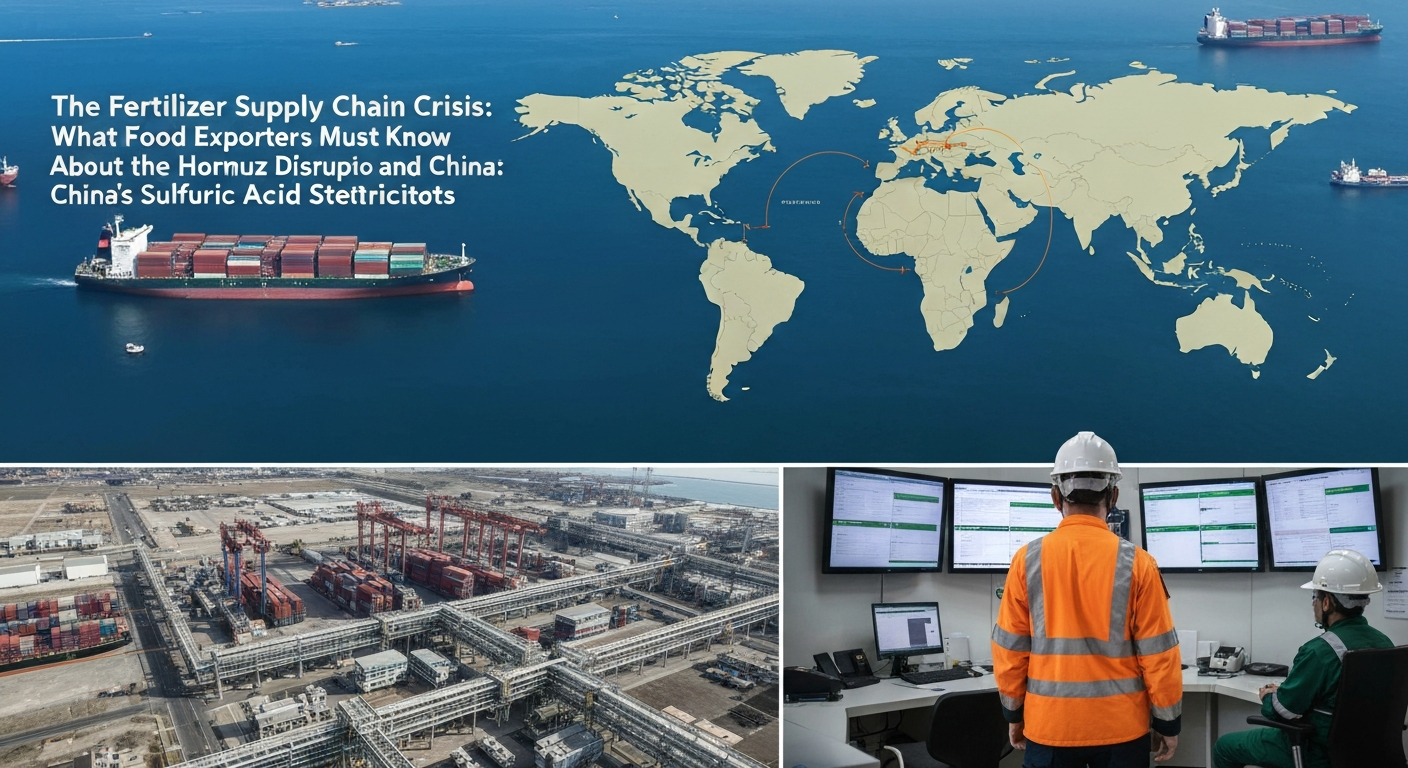
China's May 2026 sulfuric acid export restrictions and Hormuz Strait disruptions are creating a global fertilizer shortage. Here's how food exporters can navigate the knock-on effects on crop yields, pricing, and supply contracts.
US baseline 10% tariffs with up to 50% country-specific rates are restructuring global food trade. Brazil, Canada, and India face steep rates. Here's how food exporters can navigate the new tariff landscape.
The 2026 Iran war and Strait of Hormuz closure have shattered global shipping routes, spiked freight costs by 300%, and triggered a fertiliser crisis. Here is what food exporters need to do right now.
Showing 1–9 of 11 articles
Write for us
Reach out to our editorial team — pitches, guest posts, and industry analyses welcome.
editorial@foodexpoconnect.com