
FoodExpoConnect Blog
Ultimate Guide to Exporting Cashew Nuts from West Africa: Markets, Pricing & Buyers
Navigate the cashew nut export market from West Africa with actionable strategies for identifying profitable markets, setting competitive prices, and connecting with credible buyers.
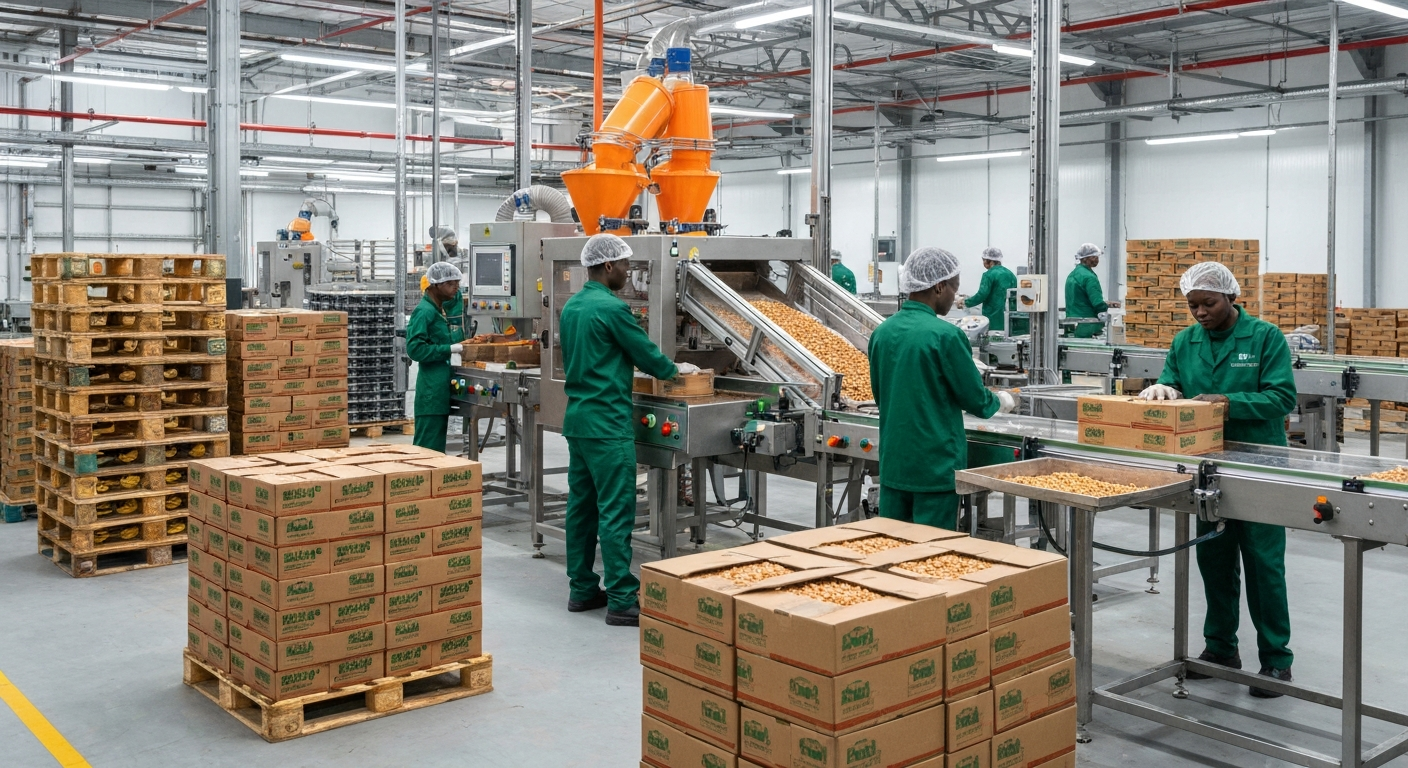
What is Ultimate Guide to Exporting Cashew Nuts from West Africa: Markets, Pricing & Buyers?
Exporting cashew nuts from West Africa offers substantial opportunities, but it’s a complex market to navigate. This guide will walk you through pinpointing profitable markets, setting competitive prices, and connecting with credible buyers.
Exporting cashew nuts from West Africa offers substantial opportunities, but it’s a complex market to navigate. This guide will walk you through pinpointing profitable markets, setting competitive prices, and connecting with credible buyers. Let's dive into actionable strategies to strengthen your export approach and boost your profits.
Understanding the Cashew Nut Market Landscape
How to Identify Profitable Export Markets for West African Cashew Nuts
To succeed in exporting cashew nuts, grasp the dynamic market landscape. Here's how to find the most profitable markets:
-
Market Demand Analysis: Examine current demand for cashew nuts in target regions. The Western Africa's Cashew Nut Market Report 2026 forecasts global demand to grow at a CAGR of over 5% through 2026, creating a market value over $7 billion. Focus on Europe and Asia, where demand is robust.
-
Tariff and Trade Regulations: Familiarize yourself with tariff structures. For instance, the U.S. recently increased tariffs on processed cashew products, potentially deterring buyers. Meanwhile, countries with favorable trade agreements might present better opportunities. Notably, Burkina Faso’s ban on raw cashew exports could impact your supply chain.
-
Logistical Considerations: Assess logistics, including shipping routes and costs. Côte d'Ivoire has a processing industry, which could lower shipping expenses if you target buyers there.
Actionable Tips for Market Selection
-
Research Major Importers: Identify leading cashew nut importers by country. India and Vietnam are key players, but don’t overlook growing markets in Europe, such as Germany and the Netherlands. For a comprehensive list, check the Top 10 Cashew Nut Exporters.
-
Utilize Trade Data: Leverage trade databases and industry reports to see which countries are boosting their cashew imports. You can also explore our export data for more insights.
-
Attend Trade Shows: Engage with potential buyers at events like the West African Cashew Conference to network and learn about market trends. For more information on trade shows, visit our exhibitor search.
Pricing Your Cashew Nuts Competitively
Calculating FOB and CIF Prices
Pricing is crucial for maintaining healthy margins. Here’s a breakdown:
-
FOB (Free on Board) Pricing: This covers costs up to loading onto the shipping vessel. Calculate your FOB price by adding:
- Cost of raw cashew nuts: £1,000 per ton
- Processing costs: £200 per ton
- Transport costs: £100 per ton
Total FOB Price: £1,300 per ton.
-
CIF (Cost, Insurance, and Freight) Pricing: This includes the FOB price plus shipping to the buyer’s port.
- Shipping costs: £300 per ton
- Insurance: £50 per ton
Total CIF Price: £1,650 per ton (£1,300 + £300 + £50).
Maintaining Profit Margins
To secure a profit margin of 15-25%, your selling price should be:
- Minimum Selling Price: £1,650 + (15% of £1,650) = £1,897.50
- Maximum Selling Price: £1,650 + (25% of £1,650) = £2,062.50
This strategy ensures you cover costs while staying competitive.
Transparent Pricing Breakdown Table
| Cost Component | Cost (£) |
|---|---|
| Cost of Raw Cashew Nuts | £1,000 |
| Processing Costs | £200 |
| Transport to Port | £100 |
| Shipping Costs | £300 |
| Insurance | £50 |
| Total Cost | £1,650 |
Connecting with Verified Buyers
Building a Buyer Network
Reliable buyers are crucial for a sustainable export business. Here’s how to build your network:
-
Industry Directories: Use verified directories listing active international buyers. Examples include:
- La Real Expedition: Focuses on organic cashew nuts in Europe.
- NutraFoods: Specializes in bulk purchases for snacks.
- Golden Nut Co.: A well-known player in Asia.
-
Online Platforms: Explore platforms like Alibaba and Global Sources. Check ratings and reviews before engagement.
-
Networking: Attend industry trade shows and exhibitions, such as African Cashew Alliance events, to connect with potential buyers and understand their purchasing needs. For more on trade show strategies, check our trade show strategy.
Effective Negotiation Strategies
-
Understand Buyer Needs: Research what buyers prioritize—price, quality, or sustainability. Tailor your pitch accordingly.
-
Flexible Payment Terms: Be willing to negotiate payment terms. Competitive terms can enhance your proposal.
-
Build Relationships: Establish long-term relationships by maintaining open communication and consistently delivering quality.
Real-World Examples/Case Studies
-
Case Study: ABC Cashew Exports: By processing cashew nuts locally in Côte d'Ivoire and understanding market demands, they secured contracts with European buyers, achieving a 30% profit margin in 2025 despite fluctuating prices.
-
Case Study: Green Nut Traders: Expanded their buyer network using online platforms, increasing sales by 50%. Their strategic pricing and negotiation skills secured partnerships with major snack manufacturers in Asia.
Common Mistakes to Avoid
-
Ignoring Market Research: Failing to analyze market demands can hurt sales. Stay informed about market trends. For tips on effective market research, visit our market research page.
-
Overlooking Tariff Changes: Tariff changes can significantly affect profitability. Keep abreast of regulatory updates. For more on this, see our export regulations.
-
Neglecting Quality Standards: Comply with international quality standards to avoid rejections and maintain buyer trust.
Expert Tips & Best Practices
-
Stay Informed: Regularly check industry reports and news updates to adapt your strategies.
-
Diversify Your Markets: Don’t rely on a single market. Explore emerging markets in Africa and Asia for more opportunities.
-
Invest in Quality Assurance: Ensure your product meets international quality standards to boost buyer confidence. For more on certifications, check our food safety certification and organic certification pages.
Frequently Asked Questions (FAQ)
Q: What are the current tariff rates for cashew exports?
A: Tariff rates vary by country. Consult the latest trade reports for specific rates.
Q: How can I ensure the quality of my cashew nuts?
A: Adopt rigorous quality control processes and seek certifications aligning with international standards.
Q: How do I handle shipping logistics?
A: Partner with reliable shipping companies and ensure you understand all documentation requirements. For more on shipping, visit our international shipping page.
Conclusion
Exporting cashew nuts from West Africa offers exciting opportunities, but it requires careful planning and execution. By identifying profitable markets, pricing your products competitively, and building relationships with verified buyers, you can transform your export business. Start today—conduct market analysis, reach out to potential buyers, and refine your pricing strategy. The vibrant world of cashew nut exports is waiting for you! For more resources, explore our buyer prospecting tools and food expo connect platform.
Meta Title: Exporting Cashew Nuts from West Africa: The Ultimate Guide
Meta Description: Discover how to identify lucrative cashew markets, calculate pricing, and connect with buyers in West Africa. Your export success starts here!
About the Author
Jean-Marc Koffi, Export Specialist & AfCFTA Trade Facilitator. Jean-Marc has 14+ years exporting over $9.5M of mangoes, cocoa, coffee, and cashews from West Africa to EU, Middle East, and North American markets. He helps African SMEs build reliable, buyer-ready export pipelines under AfCFTA.
Frequently asked questions
What are the current tariff rates for cashew exports?
How can I ensure the quality of my cashew nuts?
How do I handle shipping logistics?
Quick facts
Published: 3/6/2026
Reading time: 6 min
Written by

Jean Marc Koffi
Co-authorJournalist & Export SpecialistLondon
Jean Marc Koffi is an MBA-trained trade specialist who connects African exporters to global buyers, with over $20M in contracts facilitated and expertise recognized by major trade organizations. Noted for rapid buyer network building, he is an experienced speaker and certified in trade facilitation, origin rules, and food safety.

Alocha Massamba
Co-authorFounder, Epifresh & FoodExpoConnectLondon
Alocha Massamba is the founder of Epifresh and FoodExpoConnect. He builds the technology, data and partnerships that connect African food producers and exporters to international buyers — with a focus on fresh-produce supply chains, cold-chain logistics, and the buyer-discovery platforms small and mid-size exporters need to compete with global incumbents.
Explore more export intelligence
Certification • Pricing Strategy • Market Access
5 Certifications Worth More Than a Price Cut in 2026
Stop competing on price. Organic, Fair Trade, Rainforest Alliance, B Corp, and SQF certifications can command 20-300% price premiums for African food exporters in 2026. Here is the ROI data for each.
Coffee Export • Market Access • EU Regulations
Coffee Export 2026: African Origins, Fair Trade Pricing & EU Market Access
Complete guide to coffee export from Ethiopia, Kenya and Rwanda — EUDR compliance, fair trade pricing, certification requirements, and how to access €12-18/kg EU buyer contracts in 2026.
Market Access • Africa Trade • Export Strategy
China Zero-Tariff Policy for African Food Exporters: Coffee Imports Surge 145.7% — How to Enter the World's Largest Market Duty-Free
China's zero-tariff policy covering 53 African countries is already producing dramatic results — coffee imports surged 145.7% in the first five months. How food exporters can access this duty-free window and bypass traditional tariff barriers.